

In This Issue:
Grateful Literate
Book Club 📖
Resource Spotlight 📝
The Gallery 🎨
Grateful Literate
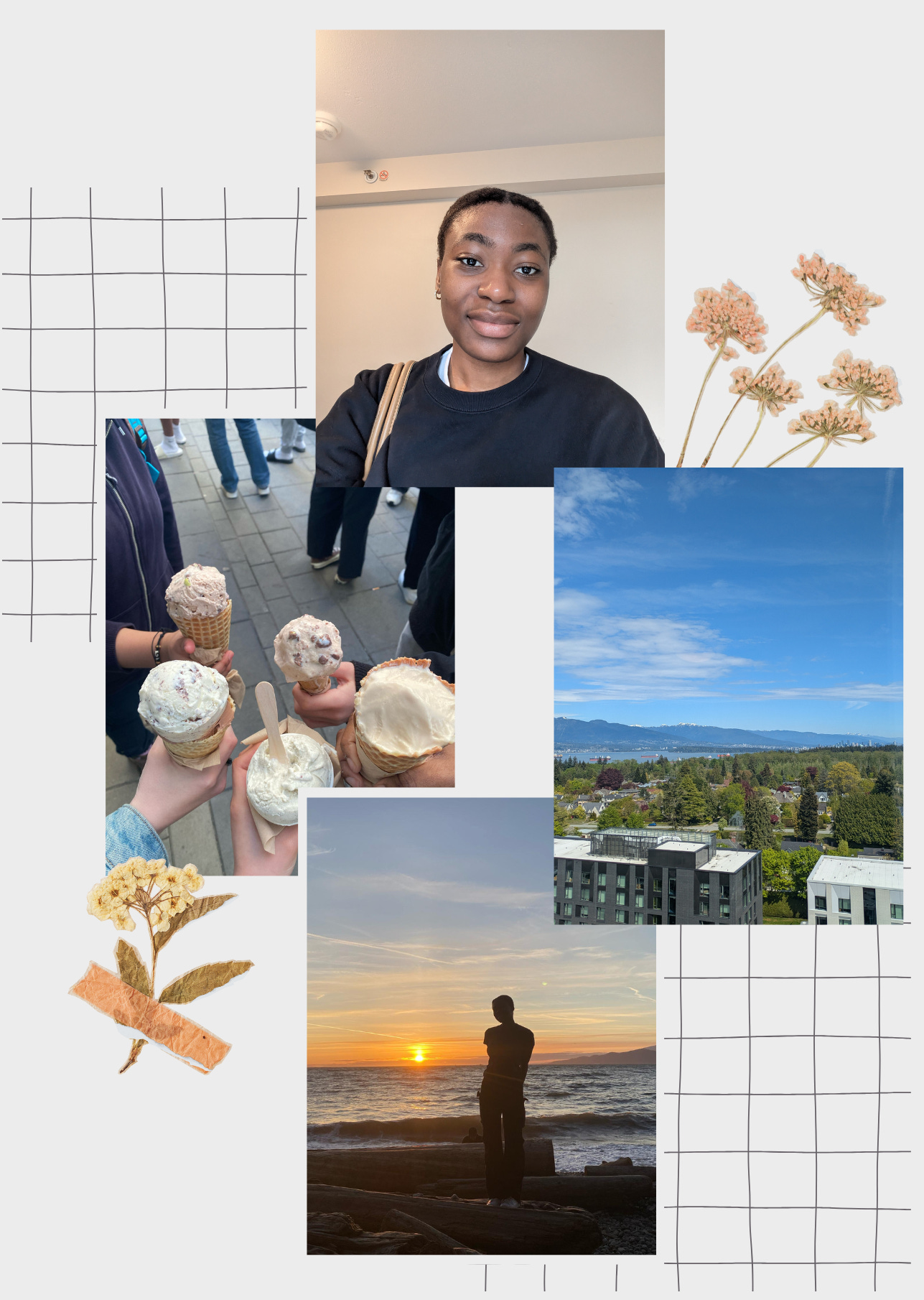
March and April have stood out this year. With school wrapping up for the term, both months were packed with deadlines and exam prep. But through it all, I enjoyed two things:
A course called Biomass Fractionation Chemistry (which I'd initially wanted to avoid)
A class on carbon policy within a course called Carbon Capture, Conversion and Sequestration Technologies
Without getting too technical, my favourite discovery was seeing how researchers transform wood and plants into innovations like edible water pods. Think sachet water, but you can eat the whole thing, packaging and all!
The lesson? You can develop an interest in any topic by staying open-minded. Seeing real-world applications, from startups to research projects, helped me both value what I was learning and get curious about the underlying mechanics.
The carbon capture course gave a different kind of eye-opener, especially during one particular class discussing Canada's controversial consumer Carbon Tax. In a small, interactive group, including two professors, we had a memorable discussion.
You see, as engineers, we create technologies, but they don't exist in isolation. People need to use them. For sustainable technologies needed for long-term societal good, governments must incentivize (or sometimes force) people to adopt climate-friendly options, despite higher costs. Enter the carbon tax.
The tax served two purposes:
Encourage the adoption of cleaner alternatives
Fund tech development through government grants and loans to clean energy initiatives
The timing was tricky though. Canadians already face high taxes (#25 out of 172 countries) and rising inflation. Unsurprisingly, removing this tax helped Mike Carney win the recent federal election.
What struck me during these discussions was the contrast: here we were, students debating complex carbon policy, while back home in Nigeria, the climate conversation barely scratches the surface. When climate is discussed, it usually centers on grants vs loans—that's if you're into this topic as an average citizen.
It made me realize how crucial education is in the growing climate risks, their threat to economic development, and the business opportunities that sustainability creates. That's why I started a second newsletter called Sustainable African. I will help Africans understand climate risks, why they should care about sustainability, and see potential solutions through various models, from personal action to non-profits to startups.
And that’s all for Q1 2025, folks. Stay tuned!
— Dayo :)
Book Club 📖
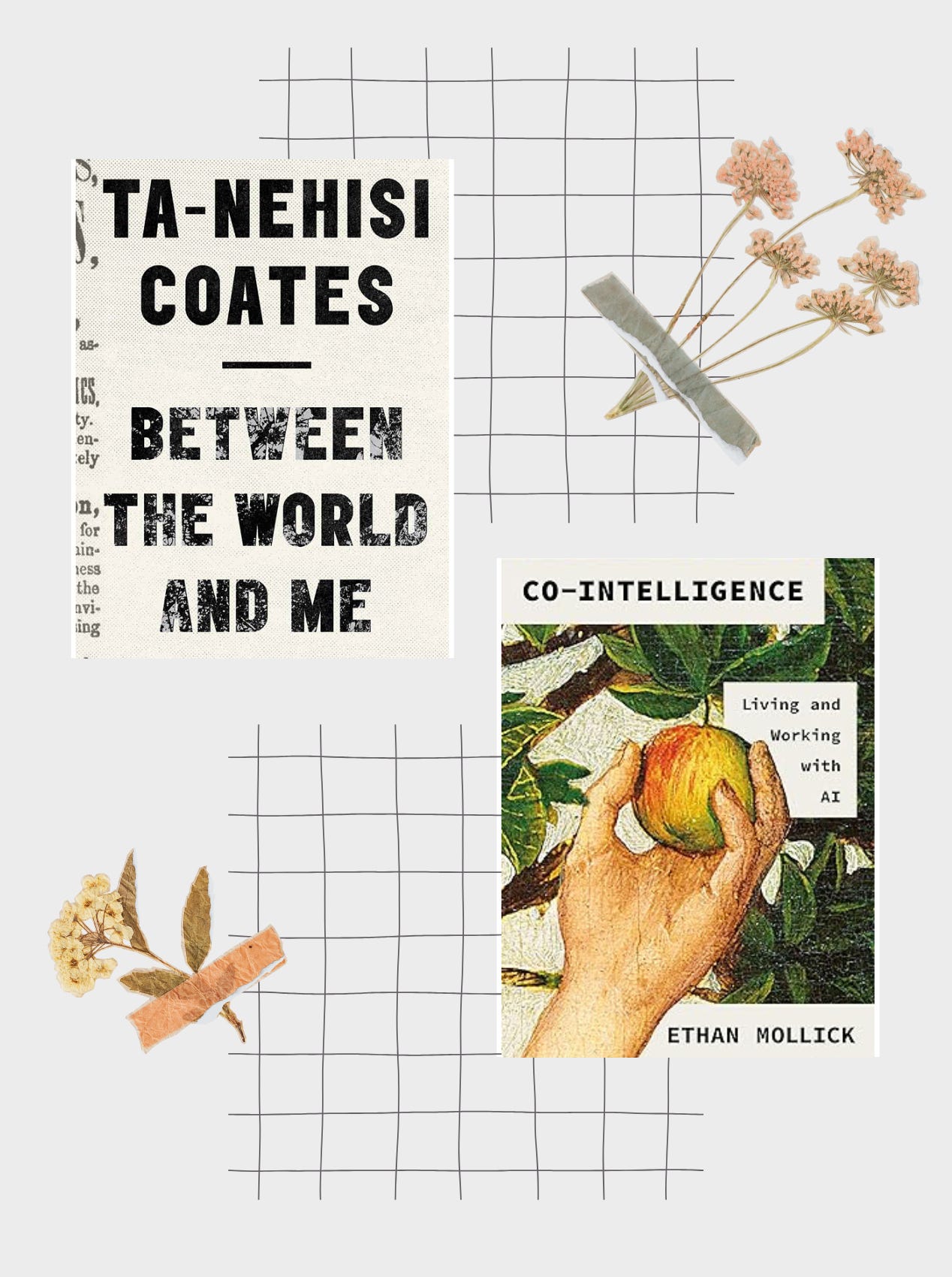
I read two books: Between the World and Me by Ta-Nehisi Coates and Co-Intelligence: Living and Working with AI by Ethan Mollick. Between the World and Me is a non-fiction book about racial discrimination in the US. It’s written as a letter from a black man to his son. I read it for a class assignment and wrote a review here.
Co-Intelligence was a good primer on how to think about Generative AI as it transforms our work lives. I now think of Gen AI as 'text prediction machines,' which helps me avoid over-reliance, especially since ChatGPT tends to hallucinate. LLMs like ChatGPT don't prioritize accuracy. I've seen this firsthand when ChatGPT gave wrong answers in my fluid dynamics class, Claude made calculation errors, and Gemini struggled with creative writing. One thing's clear: if you don't know what you're doing, both you and the AI will be lost.
Still, I find ChatGPT useful as a tutor, and I sometimes prefer Perplexity over Google Search. The book also offered valuable insights on bias and AI companions. Honestly, it’s a bit worrying that people use ChatGPT and similar AIs for companionship and therapy when these tools are prone to lying and people-pleasing behaviours.
ps: Ethan Mollick writes about working and living with AI here on Substack @
.
Resource Spotlight 📝
I enjoyed this podcast because I liked the founders’ journey and the problem they identified. (Apple Podcast)
The Gallery 🎨
This issue’s artwork by janicesung. Click the link to her Instagram page!

Thank you, S, for editing this.